Slag Blocks
Casting molten smelter slag into large self-annealing blocks, turning a mining waste into a building material.
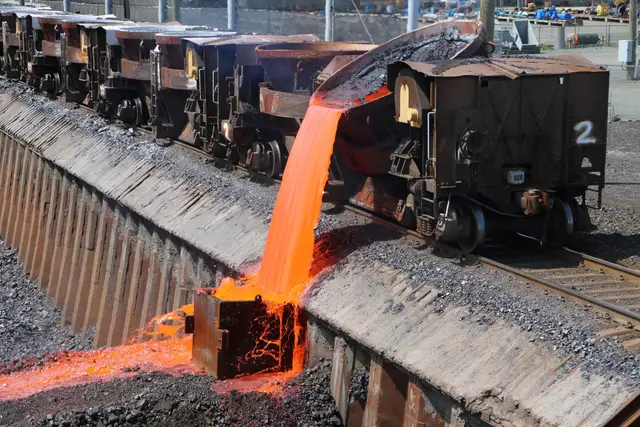
Smelters separate ore into metal and slag. Non-ferrous slag from copper and nickel production is mostly treated as waste: it is poured onto slag heaps, and mining companies pay to manage the risk of heavy metals leaching into water. DAO is researching how to use it as a building material instead.
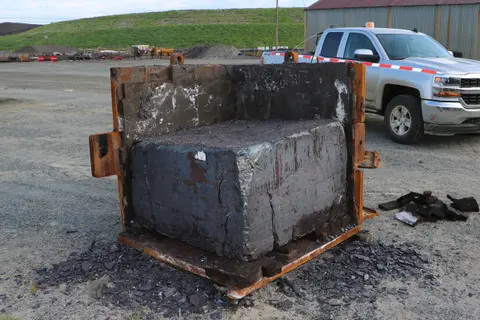
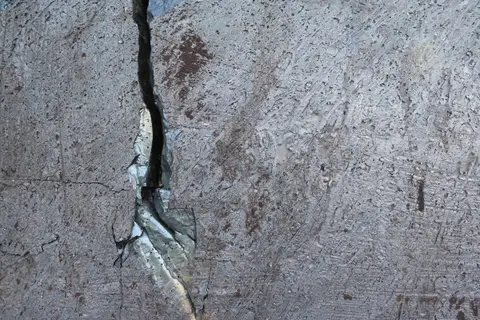
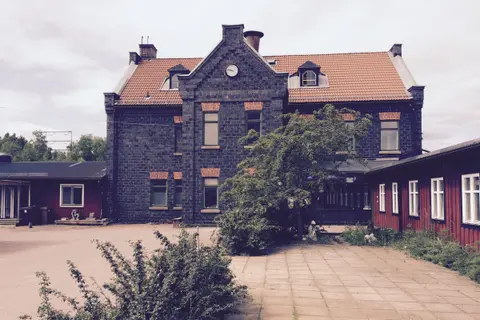
A key insight came from 18th-century slag buildings that still stand, such as those beside the copper mine in Falun, Sweden, now a UNESCO World Heritage Site. Molten slag from the crucibles can be diverted into large forms. Large blocks have far less surface area for leaching, and they anneal into stone as they cool, without any added energy. The resulting blocks resemble granite or basalt and can be cut to transportable sizes, then squared, honed, polished and used for compression structures or as surfaces on steel, wood or concrete buildings.
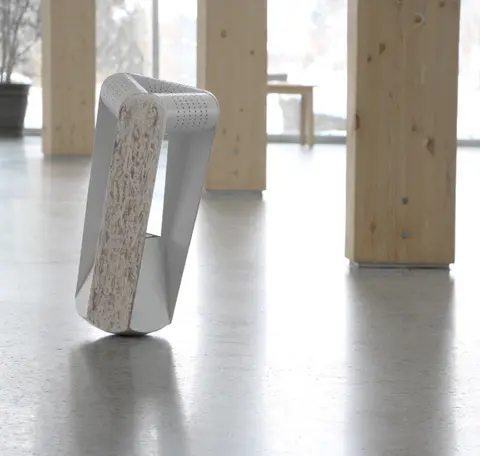
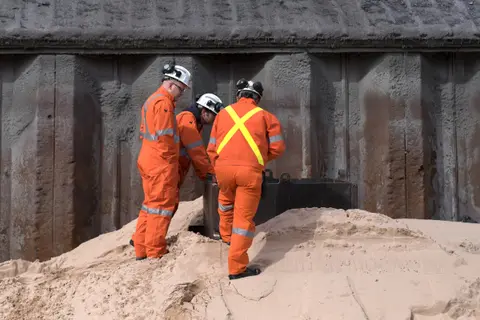
Working with Vale in Sudbury, DAO has refined the casting process several times and produced its first consolidated large block. The next phases are material testing of the cast cube, a small first use of a few cubes, and structural testing towards a single-storey pavilion. Slag is also used as the counterweight in DAO's Formid seat.
- Status
- Ongoing research
- Period
- 2011–present
- Location
- Sudbury, Ontario
- Sector
- Research and concepts
- Structure
- Slag cast in steel plate forms
- Scale
- Variable
Project team and credits
- TeamMichael Danielson
- FabricationVale
- FundingVale; RAIC
- ExhibitionDynamic Earth (postponed)